The Pakistan-Afghanistan conflict remains unresolved
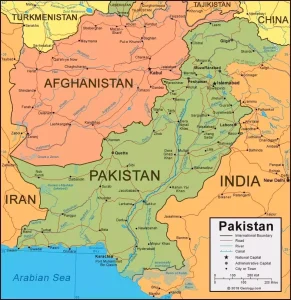
Felixnews.com – Tensions between Pakistan and Afghanistan have reached a new low after cross-border airstrikes and armed clashes erupted in the border region. Islamabad claims the military operation is aimed at eliminating militant groups, while Kabul accuses the attacks of targeting civilian areas and violating state sovereignty.
This incident is not an isolated incident. The security dynamics in the South Asian region are rooted in territorial disputes, allegations of support from armed groups, and complex geopolitical rivalries.
Durand Line Dispute
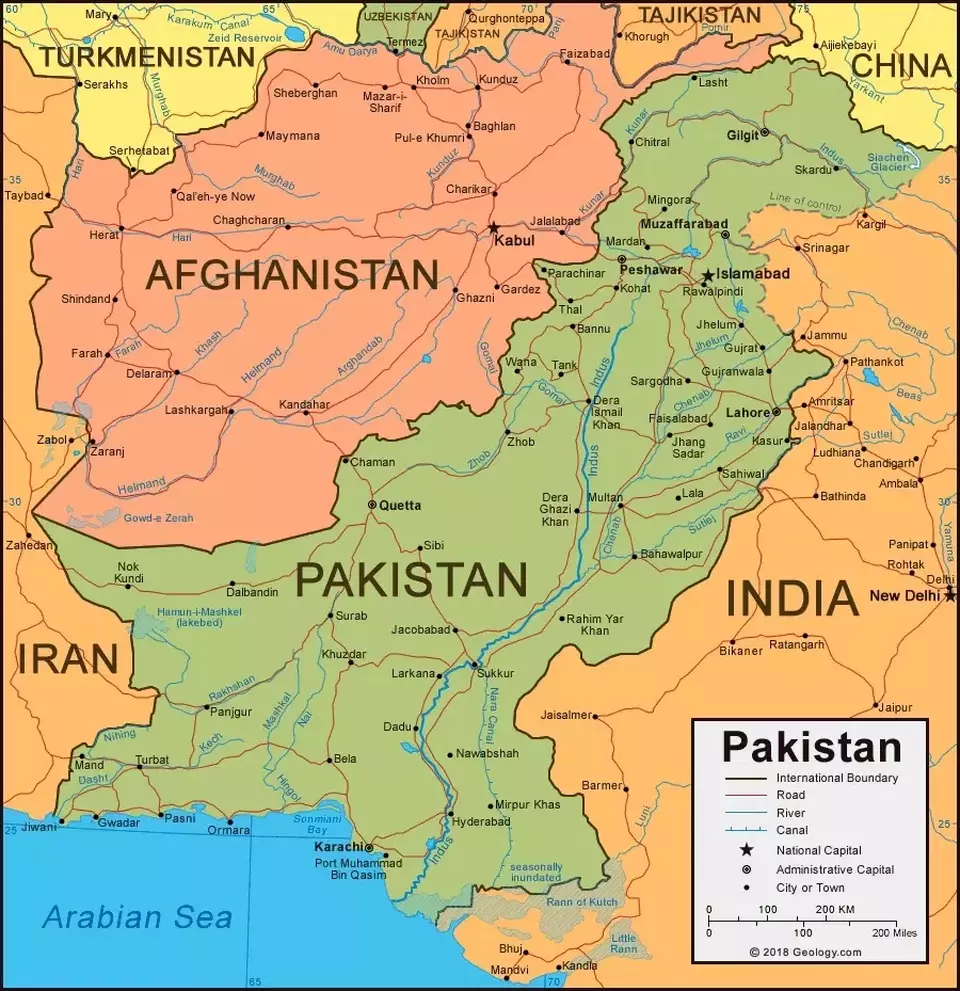
The main trigger for tensions is the Durand Line, a 2,611-kilometer border inherited from British colonial rule. Afghanistan has consistently refused to recognize this line as a legitimate international boundary. The sensitive status of this region has made strategic points such as Torkham and Spin Boldak frequent battlefields, leading to the closure of logistical access.
Relations between the two countries have also worsened due to Pakistani accusations that the leadership of the Tehreek-e-Taliban Pakistan (TTP) operates from Afghan soil. Islamabad believes this network is behind deadly attacks, including the 2014 Peshawar military school tragedy and the recent terror attack in Bajaur district.
Although the Taliban government in Kabul strongly denies this, increased militant activity since 2022 has widened the gulf of mistrust between the two countries.
Tensions escalated with the launch of Operation Ghazab Lil Haq. On Friday (February 27, 2026), Pakistan used precision airstrikes in Kabul, Kandahar, and Paktia to destroy militant strongholds. Pakistani Defense Minister Khawaja Asif called this escalation an open war.
In retaliation, Taliban spokesman Zabihullah Mujahid confirmed attacks on Pakistani military installations along the border. This tit-for-tat exchange highlights the fragility of regional security stability.
Historical Dimension and Refugees
The roots of this conflict are also influenced by the legacy of the 1979 Soviet invasion and the September 11, 2001, tragedy. For decades, the border between the two countries has been an epicenter of armed groups. This situation is exacerbated by social issues; Islamabad’s deportation of tens of thousands of Afghan refugees has fueled negative sentiment and added diplomatic pressure on Kabul.
Competition for influence in the region has further complicated the situation. Kabul’s close relationship with New Delhi (India) is often viewed with suspicion by Islamabad. Some analysts believe that increased Afghanistan-India interaction has contributed to the deterioration of trilateral security perceptions in the region.
The international community is now pressing for diplomatic dialogue. Although Afghanistan’s conventional power is considered inferior to Pakistan’s, the pattern of cross-border retaliatory attacks is expected to recur as long as the TTP and Durand Line issues remain unresolved diplomatically.
Without a robust dialogue mechanism, national sovereignty and the security of civilians on both sides of the border remain at stake in this protracted conflict.