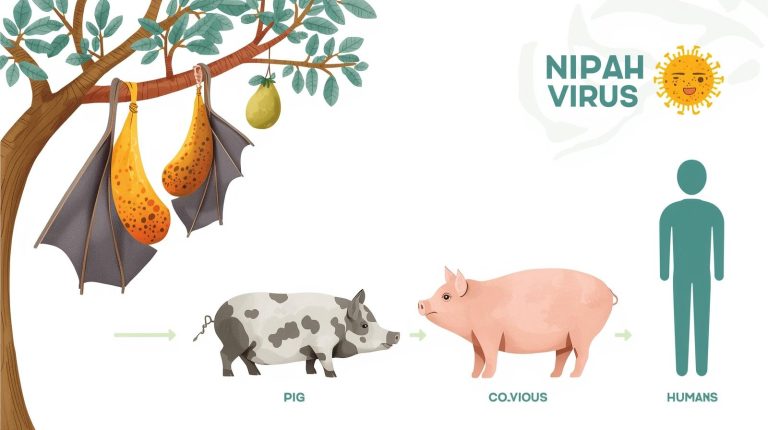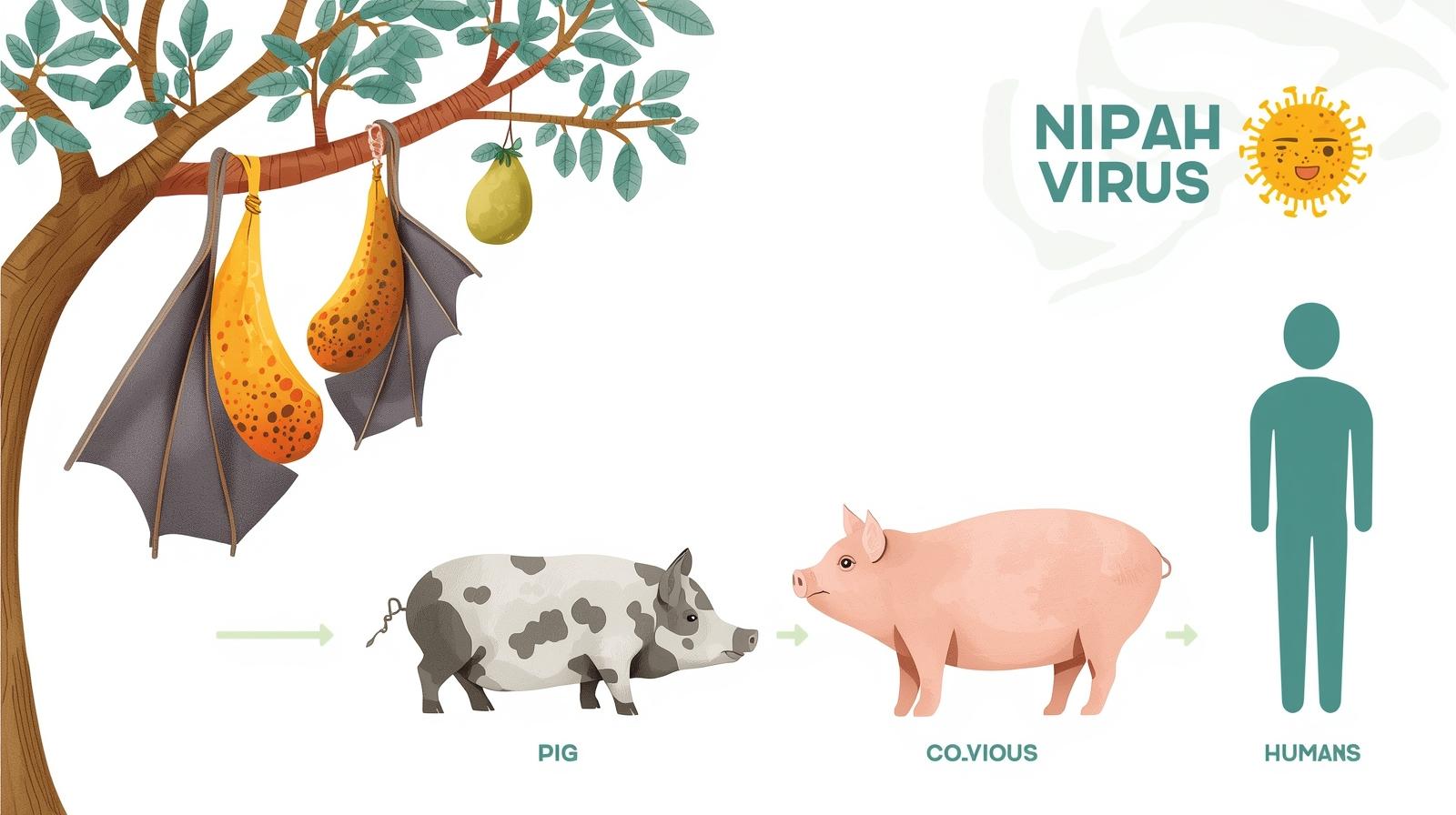
The Nipah virus, a deadly zoonotic disease with a high mortality rate and no approved treatment, is once again sounding the global alarm. This virus is transmitted from animals to humans, mainly through fruit bats and pigs, and can cause severe infections in humans.
Although human-to-human transmission is relatively limited, Nipah outbreaks are known to be extremely dangerous because they cause acute respiratory distress and encephalitis (brain inflammation). Several countries in Asia have been affected, making active surveillance and rapid response key to preventing a wider health crisis.
Two New Cases
In Kerala, southern India, health authorities have confirmed two new cases of the Nipah virus. The first victim was an 18-year-old girl who died after suffering from encephalitis. Meanwhile, a 38-year-old woman is still undergoing intensive care at the hospital.
A total of 499 close contacts have been identified and are being closely monitored. Of these, 14 people require hospital treatment. As the initial risk subsides, restrictions in some areas such as Malappuram are being lifted, although the alert status remains in place.
The World Health Organization (WHO) has reiterated its position that the Nipah virus poses a serious threat. “The Nipah virus is a priority disease for the WHO due to its epidemic potential and the lack of approved treatments,” the WHO warned.
This warning is not without reason. The mortality rate from the Nipah virus is very high, between 40 and 75 percent, making it one of the deadliest infectious diseases in the world.
In an effort to prevent the spread of the virus, the experimental ChAdOx1 NipahB vaccine developed by the University of Oxford, based on the COVID-19 vaccine platform, has entered phase I clinical trials in humans through the EMA’s PRIME program.
Additionally, recent research indicates that alpaca-based nanobodies show promising results in preclinical studies. This approach has the potential to become a new therapy not only for Nipah but also for related viruses like Hendra.
Although the basic reproduction number (R0) of the Nipah virus is relatively low, experts warn that the virus’s potential for evolution and extreme mortality rate mean that this threat should not be underestimated.
Control measures in Kerala include contact isolation, temporary school closures, hygiene campaigns, and tracing the source of the outbreak, which is suspected to originate from fruits contaminated with bat saliva or urine.
The reemergence of the Nipah virus is a stark reminder that the prevention and surveillance of zoonotic diseases is not an option, but a necessity. Despite ongoing scientific advances, the threat of outbreaks with major impacts remains real and demands global preparedness.
About the Author