Iran’s economy has been rocked by more bad news after the value of its local currency, the rial, hit an all-time low in trading. According to reports from various international currency tracking sites quoted by AP on Tuesday (1/27/2026), the exchange rate plummeted dramatically to 1,500,000 rials per US dollar.
This currency collapse is a severe blow to the purchasing power of the Iranian people, who have long been squeezed by inflation. This record low comes just weeks after a wave of massive protests swept through various cities in the country. The growing economic uncertainty has further eroded market confidence in the domestic currency.
The plunge in the exchange rate is a continuation of a previous decline. Previously, the rial exchange rate also fell on January 14, 2026. At that time, US$ 1 was trading at around 1,429,500 rials, while 1 euro was equivalent to around 1,668,500 rials.
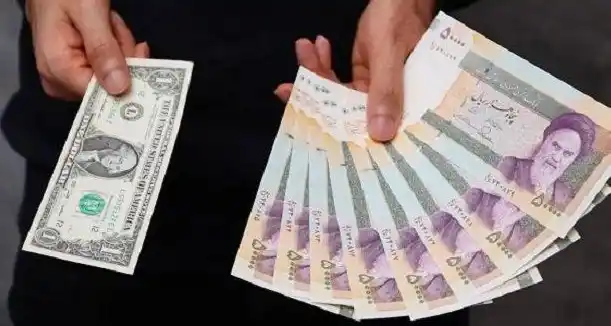
Now, the declining exchange rate has made it difficult for Iranians to meet their basic needs. It has even been mentioned that by the end of December 2025, the sharp decline of the rial will cause a surge in the prices of important imported goods such as wheat, cooking oil, and raw materials for medicines. The increase in import costs will be passed on directly to consumers by traders, thereby driving widespread inflation.
The weakening of the rial has been going on for years due to strict Western sanctions, corrupt practices that have eroded public trust, and the public’s rush to convert their savings into US dollars, gold, or property. Throughout 2025, the rial fell by around 45% against the US dollar.
Iran’s economic conditions were further exacerbated by the decline in world oil prices. Brent crude oil, which is the backbone of state revenue, fell by around 18% throughout 2025 and closed at around US$ 60 per barrel.