Ayatollah Khamenei Threatens to Bury Trump’s Army

Iran’s Supreme Leader Ayatollah Ali Khamenei has issued a stern warning to the United States (US) and US President Donald Trump regarding war in the Middle East.

Khamenei warned that any attack by the US would trigger a regional war in the Middle East. The warning came after Trump threatened to attack Iran militarily for what he considered to be repressive actions against the masses during the national protests that erupted in late December 2025.

“America must realize that if they launch a war this time, it will be a regional war,” Khamenei told a crowd at his residence in Tehran on Tuesday (2/3/2026).

The 86-year-old emphasized that Iran has never disturbed, let alone attacked, any country, including the US.

“We are not instigators, we will not be unfair to anyone, and we do not plan to attack any country. However, if anyone shows greed and wants to attack or interfere, the Iranian people will deal them a heavy blow,” he said.

Earlier, at the beginning of last week, the US had deployed its war fleet, including the aircraft carrier USS Abraham Lincoln and other American warships in the Arabian Sea, which Trump sent there after thousands of people were killed in protests in Tehran.

However, at the time of writing, it remains unclear whether Trump will use military force. He has repeatedly said that Iran wants to negotiate and has raised Iran’s nuclear program as another issue he wants to resolve.

Meanwhile, Iran has also held military exercises in the Strait of Hormuz, located in the strategic Persian Gulf region, which is the commercial traffic area for almost all of the world’s oil trade.

Iran Threatens to Turn the Entire Country into a Graveyard for US Soldiers

A senior Tehran City Council official issued a stern warning to the United States on Monday (2/2/2026). Iran insisted it would respond to any military attack by Washington with an unprecedented large-scale retaliation.

Deputy Chairman of the Tehran City Council, Parviz Sarvari, stated that reports of preparations for thousands of graves for US soldiers were not just a bluff, but a symbolic message about Iran’s readiness for war.

“If they think they can attack Iran, 5,000 graves for American soldiers will not be enough, and we will turn the entire country into a graveyard for Americans,” Sarvari said, as quoted by the Mehr news agency.

This statement came following reports that the Behesht Zahra cemetery in Tehran had prepared a special site with a capacity of thousands of graves. The area was prepared as a temporary burial site for US military personnel in the event of an escalation of physical conflict.

Sarvari emphasized that Iran’s defense strategy would include direct attacks on all American assets in the region. This includes military bases, warships, and any country that provides logistical support or territory for US attacks.

He detailed that all branches of the Iranian military are on high alert. The Iranian Navy will respond if threats arise from the waters. Then the Iranian ground forces are ready to act in the event of an invasion by land.

This harsh rhetoric from Tehran adds to the long list of diplomatic tensions between the two countries. Analysts believe that the very blunt language used by city council officials indicates a consensus at the local and national levels in Iran to respond to Western military pressure with full force.

At the time of writing, the White House has not issued an official comment on the “mass grave” threat made by the Tehran authorities.

The Mehr news agency, affiliated with the government, reported on Saturday that the Behesht Zahra cemetery in Tehran had prepared a site with a capacity of several thousand graves for the temporary burial of potential US military casualties.

Trump administration moving towards mining Uranium near the Grand Canyon

The Trump administration is moving towards a plan that will activate many environmentalists in opposition. They are giving a signal for a push to consider uranium mining near the Grand Canyon.

President Trump’s decision to declare uranium a critical mineral for national security purposes, along with a Commerce Department recommendation to mine reserves of a key component to nuclear weapons, has environmentalists concerned that the reversal of an Obama-era ban on mining near the cherished national park is imminent.

“It’s not a secret that uranium mining companies have pined after the Grand Canyon for a long time,” said Amber Reimondo, energy program director at Grand Canyon Trust. “The last time there was a uranium price spike in 2007, over 10,000 mining claims were filed.”

Those in opposition to the move question the timing of the potential reversal: The Grand Canyon is nearing its peak visitation period in the summer months, and the price of uranium is at its lowest level in more than a decade. They also argue that the recent developments highlight the close relationship between the uranium mining industry and the administration.

Opening up mining near the Grand Canyon may also have political implications for 2020. Arizona is becoming a battleground in races for both the White House and control of the Senate. So far, Democrats have sided with environmentalists in their opposition to mining in the area, while Republicans focus on potential for job creation.

The Commerce Department last week took a step by issuing a recommendation to help speed up production of all essential minerals on the list of critical minerals.

The mining industry is now awaiting one final step: Trump’s decision on whether to approve a January 2018 petition filed by two of the country’s top uranium producers — Energy Fuels and Ur-Energy — to enact a 25 percent purchasing quota for domestic uranium. The administration is expected to announce its decision next month, and it does not need congressional approval.

The uranium near the Grand Canyon is considered some of the highest grade in the U.S.

Approval of the 2018 petition would benefit struggling uranium mining companies by forcing the defense industry and power sector to purchase the element domestically instead of from foreign sources like Australia and Canada.

“The companies have been pushing for a number of things to get the prices up, like including uranium in the list of critical minerals. It’s definitely an effort by companies like Energy Fuels — which has lands around the Grand Canyon — to get those uranium prices,” said Sandy Bahr at the Sierra Club.

“There is no royalty on hard rock mineral,” Bahr added. “There is almost nothing that is returned to the public from these mines on public lands.”

US-China trade war ratchets up this week with new tariffs

The US-China trade war became intense again on Friday, as Beijing unveiled a new round of retaliatory tariffs on about $75 billion worth of US goods.

China will add additional tariffs of 5% or 10% on US imports starting on September 1st, according to a statement posted by China’s Finance Ministry.

The Ministry also announced plans to resume tariffs on US imports of automobiles and automobile parts. The tariffs would be 25% for vehicles or 5% on parts, and would take effect on December 15th. The new tariffs will target 5,078 products, including soybeans, coffee, whiskey, seafood and crude oil.

China said last week that it would take countermeasures after the United States announced it would impose 10% tariffs on Chinese imports worth $300 billion.

The United States postponed until December the implementation of about half of those tariffs, which will cover several categories of Chinese-made consumer goods. They had been due to take effect in September.

President Donald Trump responded quickly, saying Friday afternoon he was increasing rates on existing tariffs on Chinese goods.

The $250 billion of goods and products from China currently being taxed at 25% will be taxed at 30%, Trump said on Twitter. The remaining $300 billion of goods and products that was to be taxed at 10% will now be taxed at 15%, Trump wrote.

Trump said US companies should move operations from China in response to their tit-for-tat tariffs.

“We don’t need China and, frankly, would be far better off without them,” Trump wrote on Twitter. He also “ordered” American companies “to immediately start looking for an alternative to China.”

The National Retail Federation issued a statement calling the demand “unrealistic.”

“For years, retailers have been diversifying their supply chains, but finding alternative sources is a costly and lengthy process that can take years. It is unrealistic for American retailers to move out of the world’s second largest economy,” the group said. “Our presence in China allows us to reach Chinese customers and develop overseas markets. This, in turn, allows us to grow and expand opportunities for American workers, businesses and consumers.”

When Should You Start Claiming Social Security?

For a number of Americans, taking Social Security benefits at 62 is not so much a choice, but more of a necessity. A large fraction of Social Security participants rely on the program for the majority of their income, and for some, their Social Security check is just about the only income they can count on each month.

Those who have managed to save up a healthy nest egg for retirement have more options. Delaying Social Security can be attractive, as it allows them to get larger monthly benefits later on, and often pass those higher checks on to their loved ones in the form of survivor benefits.

Financial Advisor Seattle

But there’s a choice that very few Social Security experts talk about — taking Social Security at 62 even if you don’t really need it, and investing your monthly benefits to generate additional returns.

Most people looking at Social Security concentrate on the total amount of money they are likely to get over the course of their lifetime. This is mostly because Social Security has argued that its benefit formula is designed to pay out roughly the same regardless of when you claim benefits. This assumes that you live to roughly your actuarial life expectancy.

This approach has created a breakeven analysis, which looks more closely at the impact of when you claim benefits.

Digital Marketing Agency Dallas

If you just look at total dollars paid after adjusting for inflation, traditional breakeven analysis concludes that living through your late 70s or early 80s is the typical time at which delaying benefits starts to pay off.

But the problem with traditional breakeven analysis is that it doesn’t reflect the time value of money. That might not matter so much for the many retirees who need to spend their Social Security as soon as they get it, but for those who can invest their benefit checks, however, the time value of money makes a huge difference, because investing early benefit checks provides a longer time horizon for investment growth.

Accountant Seattle

Even modest return assumptions can make a marked difference in your analysis of when to claim Social Security.

For those who do have the financial resources to invest their Social Security, considering the time value of money is a worthwhile exercise. You might not end up changing your claiming decision because of it. But in some cases, it can make a big different in your overall financial well-being in retirement.

Nipah Virus Returns to Haunt Asia

The Nipah virus, a deadly zoonotic disease with a high mortality rate and no approved treatment, is once again sounding the global alarm. This virus is transmitted from animals to humans, mainly through fruit bats and pigs, and can cause severe infections in humans.

Although human-to-human transmission is relatively limited, Nipah outbreaks are known to be extremely dangerous because they cause acute respiratory distress and encephalitis (brain inflammation). Several countries in Asia have been affected, making active surveillance and rapid response key to preventing a wider health crisis.

Two New Cases

In Kerala, southern India, health authorities have confirmed two new cases of the Nipah virus. The first victim was an 18-year-old girl who died after suffering from encephalitis. Meanwhile, a 38-year-old woman is still undergoing intensive care at the hospital.

A total of 499 close contacts have been identified and are being closely monitored. Of these, 14 people require hospital treatment. As the initial risk subsides, restrictions in some areas such as Malappuram are being lifted, although the alert status remains in place.

The World Health Organization (WHO) has reiterated its position that the Nipah virus poses a serious threat. “The Nipah virus is a priority disease for the WHO due to its epidemic potential and the lack of approved treatments,” the WHO warned.

This warning is not without reason. The mortality rate from the Nipah virus is very high, between 40 and 75 percent, making it one of the deadliest infectious diseases in the world.

In an effort to prevent the spread of the virus, the experimental ChAdOx1 NipahB vaccine developed by the University of Oxford, based on the COVID-19 vaccine platform, has entered phase I clinical trials in humans through the EMA’s PRIME program.

Additionally, recent research indicates that alpaca-based nanobodies show promising results in preclinical studies. This approach has the potential to become a new therapy not only for Nipah but also for related viruses like Hendra.

Although the basic reproduction number (R0) of the Nipah virus is relatively low, experts warn that the virus’s potential for evolution and extreme mortality rate mean that this threat should not be underestimated.

Control measures in Kerala include contact isolation, temporary school closures, hygiene campaigns, and tracing the source of the outbreak, which is suspected to originate from fruits contaminated with bat saliva or urine.

The reemergence of the Nipah virus is a stark reminder that the prevention and surveillance of zoonotic diseases is not an option, but a necessity. Despite ongoing scientific advances, the threat of outbreaks with major impacts remains real and demands global preparedness.

10 Safest Airlines in 2026 According to Airline Ratings

For most travelers, air travel is not just about where to go, but how safe the journey will be.

The experience of being in the cabin of an airplane, seeing the expanse of clouds from above, and waiting to arrive at your destination are an integral part of the travel process. In this context, the credibility of an airline is an important aspect to consider before booking a ticket.

An airline’s safety record plays a major role in building passenger confidence from the outset, even before the wheels leave the runway.

Airline Ratings compiled a list of the safest airlines in 2026 by evaluating around 320 operators worldwide. The assessment was conducted comprehensively, taking into account various key safety indicators.

Several aspects were analyzed, including total number of flights, age of aircraft fleet, record of serious incidents, quality of pilot training, international safety audit results, and turbulence prevention systems during flights.

Etihad Airways, based in Abu Dhabi, ranked first as the world’s safest full-service airline for 2026 according to Airline Ratings.

This achievement also makes Etihad the first airline from the Gulf region to top the annual list.

This award was achieved thanks to a combination of a relatively young aircraft fleet, significant improvements in cockpit safety systems, a track record of no fatal accidents, and the lowest incident rate per flight compared to other airlines on the list.

Airline Ratings CEO Sharon Petersen explained that all airlines included in the 2026 list had experienced incidents in the past two years. These incidents ranged from tail-end collisions to onboard fires and engine failures.

“Overall, it’s important to note that every airline included in the 2026 list has recorded incidents in the past two years, ranging from tail-end collisions to onboard fires and engine failures,” said Airline Ratings CEO, as quoted by the Travel + Leisure website, Tuesday (January 27, 2026).

However, the actual incident rate per flight ranged from 0.002 to 0.09 across all airlines assessed. This figure represents an excellent achievement and reflects the high safety standards maintained by the aviation industry as a whole.

According to Petersen, all airlines included in the top 25 are global leaders in aviation safety. This statement emphasizes that the list is not merely a ranking but also a representation of industry best practices.

In addition to recognition from Airline Ratings, Etihad Airways was also named one of Travel + Leisure readers’ favorite international airlines in 2025.

The airline is widely recognized for its consistent economy class comfort and luxurious service options for passengers seeking a premium flying experience.

The combination of safety, comfort, and service quality makes Etihad increasingly recognized in the global airline competition.

Safest Airlines List 2026

Here is a list of the ten safest full-service airlines for 2026, as assessed by Airline Ratings:

  1. Etihad Airways
  2. Cathay Pacific
  3. Qantas Airways
  4. Qatar Airways
  5. Emirates
  6. Air New Zealand
  7. Singapore Airlines
  8. EVA Air
  9. Virgin Australia
  10. Korean Air

Hong Kong-based Cathay Pacific ranks second on the list. Qantas Airways, Qatar Airways, and Emirates complete the top five. Meanwhile, Air New Zealand, previously ranked at the top, dropped to sixth place in this year’s ranking.

In addition to the full-service category, Airline Ratings also released a list of the safest low-cost airlines. For 2026, HK Express secured the top spot. This airline, part of the Cathay Group, won the award for the second time.

HK Express’s achievements are driven by its modern fleet, very low incident rate, and near-perfect cabin safety audit results. These factors give the airline a distinct advantage over other low-cost carriers.

Safest Low-Cost Airlines 2026 List

Here is a list of the ten safest low-cost airlines for 2026:

  1. HK Express
  2. Jetstar Airways
  3. Scoot
  4. flydubai
  5. EasyJet Group
  6. Southwest
  7. airBaltic
  8. VietJet Air
  9. Wizz Air Group
  10. AirAsia Group

The 2026 list of the safest airlines demonstrates that global safety standards continue to improve, across both full-service and low-cost carriers. Airline Ratings’ rigorous and transparent assessments provide passengers with an objective perspective when choosing an airline that prioritizes safety.

Iranian Rial Plummets to Lowest Point

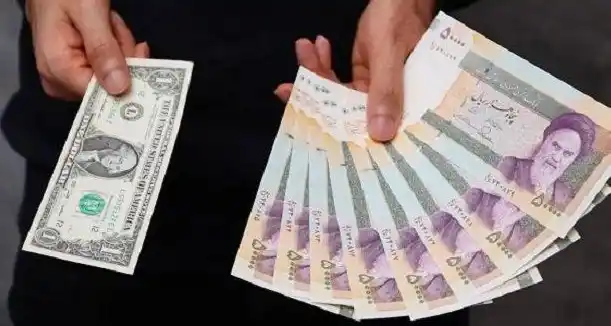
Iran’s economy has been rocked by more bad news after the value of its local currency, the rial, hit an all-time low in trading. According to reports from various international currency tracking sites quoted by AP on Tuesday (1/27/2026), the exchange rate plummeted dramatically to 1,500,000 rials per US dollar.

This currency collapse is a severe blow to the purchasing power of the Iranian people, who have long been squeezed by inflation. This record low comes just weeks after a wave of massive protests swept through various cities in the country. The growing economic uncertainty has further eroded market confidence in the domestic currency.

The plunge in the exchange rate is a continuation of a previous decline. Previously, the rial exchange rate also fell on January 14, 2026. At that time, US$ 1 was trading at around 1,429,500 rials, while 1 euro was equivalent to around 1,668,500 rials.

Now, the declining exchange rate has made it difficult for Iranians to meet their basic needs. It has even been mentioned that by the end of December 2025, the sharp decline of the rial will cause a surge in the prices of important imported goods such as wheat, cooking oil, and raw materials for medicines. The increase in import costs will be passed on directly to consumers by traders, thereby driving widespread inflation.

The weakening of the rial has been going on for years due to strict Western sanctions, corrupt practices that have eroded public trust, and the public’s rush to convert their savings into US dollars, gold, or property. Throughout 2025, the rial fell by around 45% against the US dollar.

Iran’s economic conditions were further exacerbated by the decline in world oil prices. Brent crude oil, which is the backbone of state revenue, fell by around 18% throughout 2025 and closed at around US$ 60 per barrel.

Iranian Police Arrest Over 200 Rioters

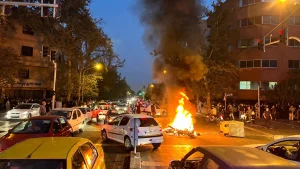
Iranian police arrested more than 200 followers and instigators of riots in various regions of the Islamic Republic of Iran. The arrests were made following a wave of widespread protests in a number of provinces, Tasnim news agency reported on Sunday (1/25/2026).

According to the report, more than 150 people were detained by security forces in the city of Yazd. This mass detention was carried out after protests in the area turned into anarchist acts that disrupted public order and the safety of citizens.

Meanwhile, police also detained at least 19 demonstrators in Semnan Province. Of these, 15 were arrested in the city of Shahrud. They are accused of being involved in the destruction of public facilities, including fire stations, bank branches, and vehicles belonging to law enforcement officials.

Tasnim also reported that Iranian intelligence officers had arrested around 40 rioters in Golestan Province, located in the northern part of the country. The detainees were reportedly found carrying various weapons and other items suspected of being used to incite riots and clashes with security forces.

The wave of protests in Iran has reportedly been increasing since the end of December 2025. The demonstrations were triggered by public concerns over the national economy, particularly the surge in inflation that occurred as the local currency, the rial, weakened against foreign currencies.

In a number of major cities and regions, protests that were initially peaceful turned into clashes between demonstrators and police. The protesters chanted anti-government slogans and demanded improvements in economic conditions and policies that were considered burdensome to the people.

In several incidents, the clashes resulted in casualties on both sides. Reports mention casualties among security forces and demonstrators, although the Iranian authorities have not yet released official data on the number of injuries or deaths.

The Iranian government has emphasized that it will take firm action against those deemed to be exploiting the economic situation to incite chaos and threaten national stability. Security forces have also increased surveillance in a number of areas to prevent similar riots from spreading.

Trump’s Threat to Greenland: Can Europe Fight Back?

Transatlantic relations, which have been established for nearly eight decades, are once again being tested by the issue of Greenland.

US President Donald Trump’s surprising threat to impose additional tariffs in order to force the acquisition of the semi-autonomous territory belonging to the Kingdom of Denmark has triggered serious tensions between Europe and Washington.

In this critical situation, a big question arises: can Europe really unite to defend Greenland amid political and economic pressure from its own long-time ally?

From the beginning, Greenland has been at the center of debate not only because of its strategic position in the Arctic, but also because of its mineral wealth and its role in global security.

The resulting tensions have placed Europe in a dilemma between maintaining long-standing alliances and upholding the principles of sovereignty and international law.

For five days of uncertainty, Europe was on edge after Trump threatened to impose additional 10% tariffs on eight European NATO members.

The threat was explicitly linked to an attempt to force a full purchase of Greenland. Trump’s statement that the tariffs would remain in place until an agreement was reached sparked widespread outrage among European leaders.

Presidents and prime ministers from various countries unanimously expressed support for Danish sovereignty and considered the move an unacceptable form of pressure.

This stance marked the beginning of a phase of political unity in Europe, which had previously been divided over US trade policies.

How Far Can Europe Go?

According to a Euronews report, shortly after the threat was made, EU ambassadors held an emergency meeting to prepare countermeasures before the tariffs were implemented.

France is pushing for the activation of the Anti-Coercion Instrument, a mechanism that allows for broad retaliation across various economic sectors.

While this instrument has never been used before, this situation is seen as different because tariffs are being used as a tool of territorial pressure against allies.

In contrast to the internal debates that occurred in 2025, member states are now demonstrating collective resolve.

Diplomats in Brussels have affirmed their readiness to bear the economic consequences to defend Greenland, Denmark, and the sovereignty of the European Union as a whole.

As part of the political response, the European Parliament decided to postpone the ratification of the EU-US trade deal indefinitely.

This decision effectively suspends the previously agreed zero-tariff benefits for American products. The move reinforces the message that economic pressure will not be met with unilateral concessions.

In parallel, a list of retaliatory measures worth tens of billions of euros has been prepared to be implemented if additional tariffs are implemented. This policy reflects a shift in Europe’s stance, leading to a more assertive and coordinated response to threats against Greenland.

Despite expressing readiness to retaliate, European leaders have emphasized that diplomacy is the primary option.

They sought a solution that would protect Greenland without triggering a broader escalation of the conflict. Statements from Berlin to Helsinki emphasized the desire to resolve the crisis through collective dialogue.

Some leaders attempted to create room for compromise by reinterpreting the United States’ actions, although these efforts yielded no immediate results. Tensions escalated when Trump reiterated his intention to take over Greenland in international forums, accompanied by an ultimatum-like statement to Europe.

The situation began to de-escalate when Trump stated he did not intend to use military force to achieve his goals. This gap was immediately exploited by European countries and NATO.

A framework agreement to improve security in Greenland and the Arctic region began to be discussed, focusing on defense cooperation without changing sovereignty.

The agreement was seen as a temporary solution that allowed all parties to save face. Trump stated that he would not pursue tariff threats or attempts to acquire Greenland, while Europe successfully defended the principles of sovereignty and regional stability.

At an emergency meeting of EU leaders in Brussels, the initially tense atmosphere calmed.

The leaders emphasized that the transatlantic relationship was too important to be sacrificed by a single, brief crisis. However, vigilance remains maintained given the potential for the Greenland issue to resurface in the future.


5 Tips for Buying a Used Smartphone

Tips for Buying a Used Smartphone. In this sophisticated era, smartphones have become an integral part of our daily lives. However, sometimes owning a new smartphone can be an expensive option. For this reason, buying a used smartphone can be a wise alternative. In this article, we will provide Tips for Buying a Used Smartphone for those of you who want to buy a quality used smartphone.

Tips for Buying a Used Smartphone

1. Set Your Budget

The first tip for buying a used smartphone. Before you start your search, it is very important to set your budget. This will help you narrow down your choices and avoid overspending. Make sure you set a realistic budget that suits your needs.

2. Do Your Research

Once you have set your budget, the next step is to do your research. You can search for various brands and models of smartphones that fit your budget. Check the technical specifications, features, and latest market prices. In addition, read reviews from users who have purchased the same used smartphone.

3. Choose a Trusted Seller

This is one of the most important aspects of Tips for Buying a Used Smartphone. When buying a used smartphone, it is important to choose a trusted seller. You can find sellers through online platforms or physical stores that already have a good reputation. Make sure the seller has a warranty or return policy that is clear and transparent.

4. Check Physical and Functional Condition

When you find a potential used smartphone, be sure to check it out in person. Check its physical condition, including the screen, battery, and casing. Also, make sure all basic functions such as the camera, speaker, and microphone are working properly.

5. Ask for Usage History

Don’t hesitate to ask the seller about the smartphone’s usage history. You can ask if it has ever been damaged or repaired before. This information will help you understand the device’s history.

6. Check the IMEI

IMEI (International Mobile Equipment Identity) is a unique number attached to every smartphone. Be sure to check the IMEI of the device you are going to buy. You can check it through the device settings or through the manufacturer’s official website.

7. Negotiate the Price Wisely

If you are confident about the condition of the used smartphone you have chosen, don’t hesitate to try to negotiate the price. However, do this wisely and respect the seller. A good deal is when both parties are satisfied.

8. Check the Completeness

An important part of the process of buying a used smartphone is checking the completeness of the device you are going to buy. At this stage, you need to do a very thorough check to ensure that you get everything that should be included in the purchase package.

  • Charger and Data Cable: Make sure the used smartphone you buy comes with the correct charger and data cable. An incompatible or damaged charger can cause charging problems, which can ultimately cost you money.
  • Original Box: Check that the used smartphone still has its original box. While this may seem trivial, the original box can provide additional evidence that the smartphone was properly maintained by the previous owner.
  • Additional Accessories: In addition to the charger and data cable, some used smartphones also come with additional accessories, such as earphones, screen protectors, or cases. Be sure to ask the seller if any additional accessories are included with the purchase. If so, ensure they are in good condition.
  • Documents and Manuals: It’s not just the physical device you need to check, but also any documents and manuals that may have been included in the purchase package. This includes the user manual, warranty, or purchase receipt. Ensure all these documents are present and in good condition.
  • Physical Condition of the Device: In addition to the accessories, also pay attention to the physical condition of the used smartphone. Check for scratches or damage to the screen or casing. Touch each button to ensure they are working properly. This includes the volume buttons, power button, and any other buttons that may be present on the device.
  • Device Authenticity: This is the stage where you need to ensure that the used smartphone is genuine. There are cases where counterfeit or replica products are sold as genuine. Check the logo, physical design, and other identifying marks that may be present on the device.
  • IMEI and Serial Number: Be sure to check the device’s IMEI (International Mobile Equipment Identity) and serial number by comparing them with the official documents provided by the seller. This will help you verify that the device is not stolen or has a questionable history.

By carefully checking the completeness of the device, you can ensure that you not only receive a used smartphone that meets your expectations physically, but also that it has official documentation supporting your legal ownership of the device. This step is crucial to avoid future issues and ensure a smooth experience when buying a used smartphone.

9. Ensure Official Documents

Final Tip for Buying a Used Smartphone. When buying a used smartphone, the next important step is to ensure you receive all the necessary official documents. These documents not only serve as proof of your legal ownership of the device, but they can also provide protection in case of future issues. Here are some documents you should ensure:

  • Purchase Invoice: A purchase invoice is a document that certifies that you purchased a used smartphone from a specific seller. It lists important information such as the date of purchase, price, seller name, and device description. Ensure that the purchase invoice is complete and includes all relevant details.
  • Proof of Warranty: If the used smartphone is still under warranty, ensure you receive a valid proof of warranty. This warranty document includes information about the warranty period, what is covered by the warranty, and how to claim the warranty if necessary.
  • User Manual: The user manual is the manufacturer’s official guide on how to properly use the smartphone. It contains important information about the device’s features, troubleshooting guides, and useful usage tips. Having this manual can help you get the most out of your smartphone.
  • IMEI and Serial Number Information: Ensure you accurately record your device’s IMEI (International Mobile Equipment Identity) and serial numbers. This is important information used to uniquely identify your smartphone. Always match the IMEI number to the one listed on the device’s box or in the official documentation.
  • Invoice or Receipt: An invoice or receipt is your proof of payment for your used smartphone purchase. It includes the price, payment method, and seller information.

Ensuring you receive all the official documentation required for your used smartphone purchase is an important step in protecting yourself as a buyer. These documents serve as legal proof of ownership and can assist you in the event of any issues or warranty claims in the future. Always keep these documents safe and easily accessible.

Sourch: https://felixnews.com