The controversy surrounding the opening of Jeffrey Epstein’s case files is certain to continue until 2026, even though the deadline for the disclosure of all documents passed last week.
The United States Congress previously passed a transparency law with almost unanimous support requiring the Department of Justice (DOJ) to release all files related to Jeffrey Epstein, a former financier convicted of sex crimes against dozens of minors.
Epstein himself died in 2019 and was ruled a suicide. Nevertheless, the files known as the Epstein files contain more than 300 gigabytes of data in the form of documents, videos, photos, and audio recordings stored in the FBI’s main electronic case management system.
The majority of the documents come from two major FBI investigations into Epstein in Florida and New York that lasted for decades.

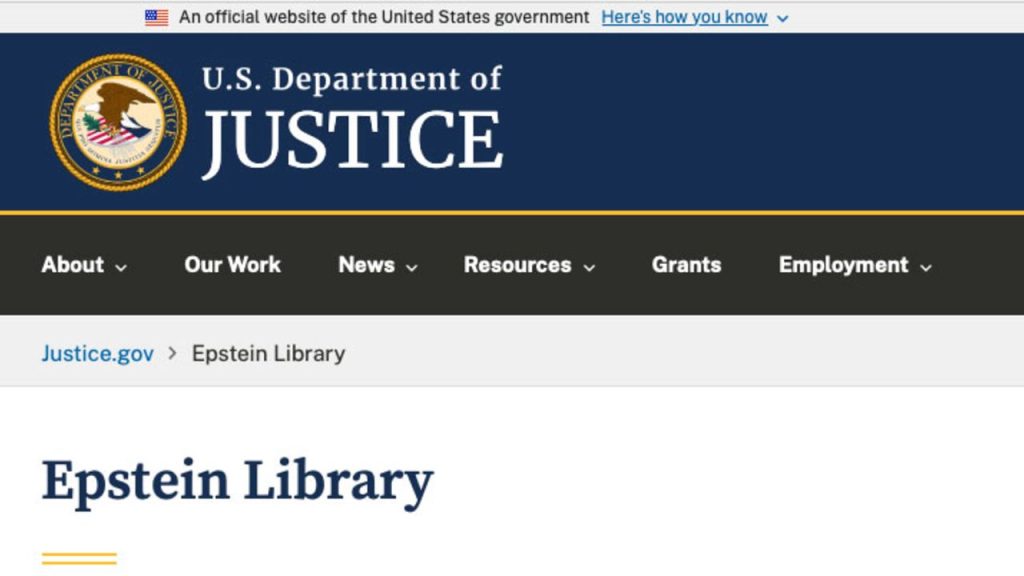
Under the law, the DOJ was given until December 19 to open all archives. Since then, the department has uploaded hundreds of thousands of documents to a special page on its official website called the “Epstein Library.”
The published documents include court records, responses to Freedom of Information Act requests, and documents previously released by the U.S. House of Representatives Committee on Oversight and Government Reform.
However, a number of Epstein’s victims and lawmakers from both parties criticized the release for being incomplete and heavily redacted. Conversely, some parties also highlighted that certain parts were not redacted enough, potentially revealing the identities of the victims.
The situation escalated after the DOJ unexpectedly announced on Wednesday (12/24/2025) that they had found more than a million additional documents potentially related to Epstein. These documents are said to require “several weeks” to review before being released.
A DOJ official appointed by President Donald Trump stated that the process was being conducted in good faith to expedite the disclosure of information, while ensuring that the victims’ identities remained protected as required by law. As of Friday, the DOJ had not provided an official response to CNN’s request for comment.
The first release was made on Friday (12/19/2025), coinciding with the legal deadline. Deputy Attorney General Todd Blanche said at the time that “hundreds of thousands” of documents would be published.
The Justice Department also stated that it was releasing a “large wave of new documents” and criticized the previous administration for not opening similar archives. The upload process continued until early Saturday morning.
A larger follow-up release was made on Tuesday, December 23, with nearly 30,000 additional pages. That was the last release to date.
As a note, in November, the U.S. House Oversight Committee separately released approximately 23,000 pages of documents related to Epstein obtained from his estate, and some of those documents were also posted on the DOJ website.
The Epstein Library is divided into four main categories, including court records from more than 50 criminal and civil cases involving Epstein and his close associate, Ghislaine Maxwell, who is currently serving a prison sentence.
The most important category is “DOJ Disclosures,” which contains most of the new documents. It reveals, among other things, a subpoena for Mar-a-Lago in 2021 prior to Maxwell’s trial, correspondence from federal prosecutors regarding Donald Trump’s flights on Epstein’s jet in the 1990s, and photos of former President Bill Clinton with Epstein.
Both Trump and Clinton have denied any wrongdoing and have never been charged in connection with the Epstein case.
The category also briefly included a handwritten letter allegedly signed by Epstein and addressed to Larry Nassar, a convicted sex offender. The document went viral, but the DOJ later stated that the letter was fake.
The DOJ previously stated that there were still hundreds of thousands of pages of documents to be released. However, on Christmas Eve, the department revealed that the Manhattan District Attorney’s Office and the FBI had discovered more than a million additional documents potentially related to the Epstein case.
The DOJ asked the public to be patient, stating that the review process would take longer due to the sheer volume of documents. The announcement sparked cross-party outrage in Congress and disappointment from the Epstein survivor community.
They questioned how so many documents had only just been discovered, even though the law had been passed a month ago and the Attorney General had previously ordered the FBI to hand over all of Epstein’s archives.
The exact contents of the millions of additional documents are not yet known. However, several members of Congress have stated that the most important documents have not yet been released, including a 60-count federal indictment against Epstein from 2007 that was never filed, as well as an 82-page supporting memo.