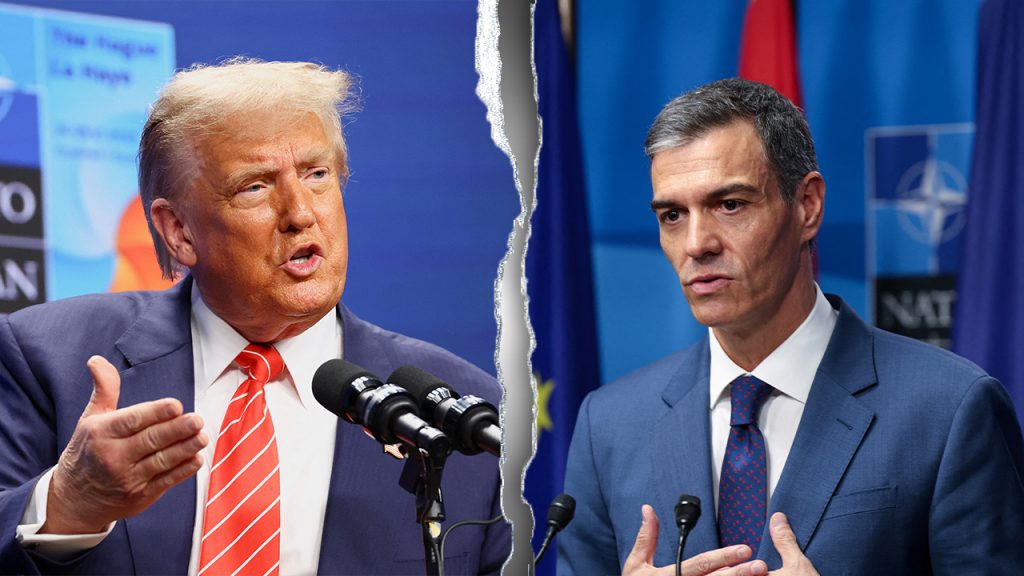
Spanish Prime Minister Pedro Sánchez strongly criticized the military attacks launched by the United States (US) and Israel against Iran.
He believes that this military escalation has the potential to widen the conflict in the Middle East and emphasized that Madrid does not want to be involved in a new war in the region.
In a national address reported by AP on Wednesday (March 4, 2026), Sánchez said that the objectives of those who launched the first attack on Iran remain unclear. He stressed that conflicts should be resolved through diplomacy, not military force.
“We do not want to be caught up in a new war in the Middle East. Conflicts must be resolved through diplomacy and respect for international law,” Sánchez said.
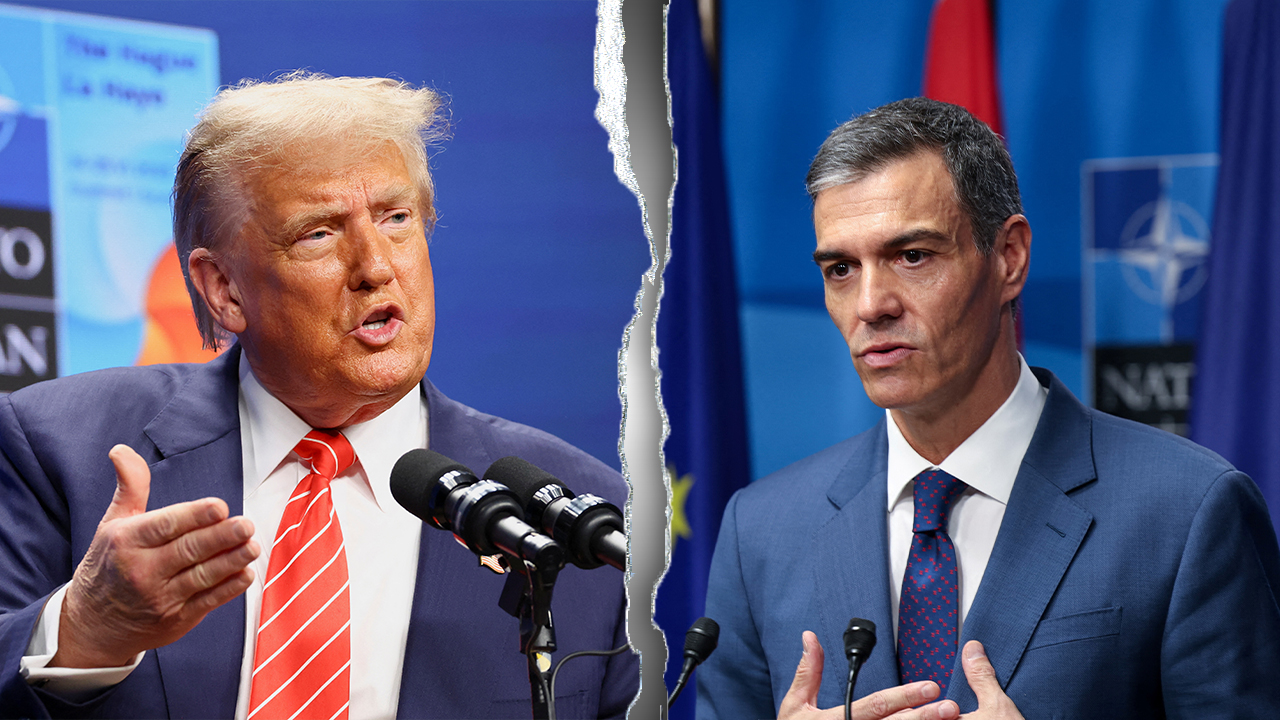
The Spanish government also firmly condemned the US and Israeli military attacks on Iran, which Madrid said violated international law.
As part of this stance, Spain rejected the use of its military bases in Rota and Morón to support military operations against Iran.
The Sánchez government emphasized that any military activity involving Spanish territory must be in accordance with the United Nations Charter and the principles of international law.
This move demonstrated Madrid’s firm stance in defending its foreign policy sovereignty amid rising global geopolitical tensions.
Spain’s stance sparked a strong reaction from United States President Donald Trump, who even threatened to sever all trade ties with Spain.
In a meeting with the German Chancellor at the White House, Trump expressed his disappointment with Madrid’s decision to refuse to support the military operation.
This threat was not only related to Spain’s rejection of military operations against Iran, but also related to a long-standing debate over NATO member states’ defense spending commitments.
Washington has been pressuring NATO allies, including Spain, to increase their defense budgets in line with alliance targets.
This tension reflects a significant shift in bilateral relations between the United States and Spain.
On the one hand, Madrid is seeking to maintain its independent foreign policy and affirm its commitment to international law.
On the other hand, Washington views this stance as a lack of support from allies in the face of the growing global conflict.
Analysts believe this difference in stance could deepen friction within the Western alliance, especially amid rising geopolitical tensions in the Middle East and new dynamics in relations between NATO member states.