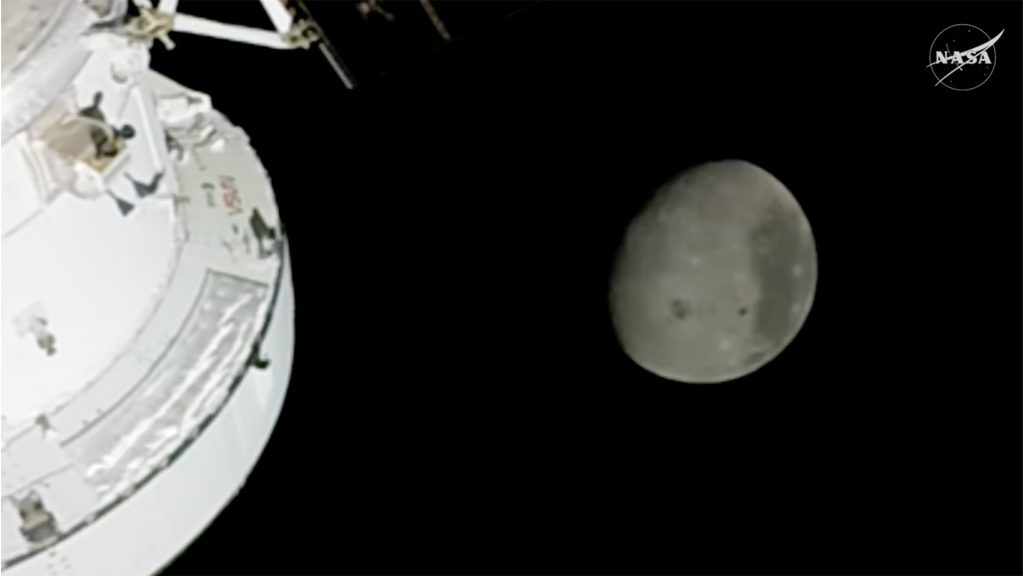
Felixnews.com – The four astronauts on NASA Artemis II mission have set a record for the farthest flight from Earth as they prepare to observe the far side of the Moon, which has never before been seen with the naked eye.
The four members of the Artemis II crew—Reid Wiseman, Victor Glover, Christina Koch, and Jeremy Hansen—have been flying aboard the Orion spacecraft capsule since its launch from Florida last week.

On Monday, the Artemis II team broke the record set by the Apollo 13 mission in 1970, and is expected to surpass that record by approximately 6,606 km when it reaches its farthest point from Earth on a journey of 406,778 km by the end of April 6 Eastern Time.
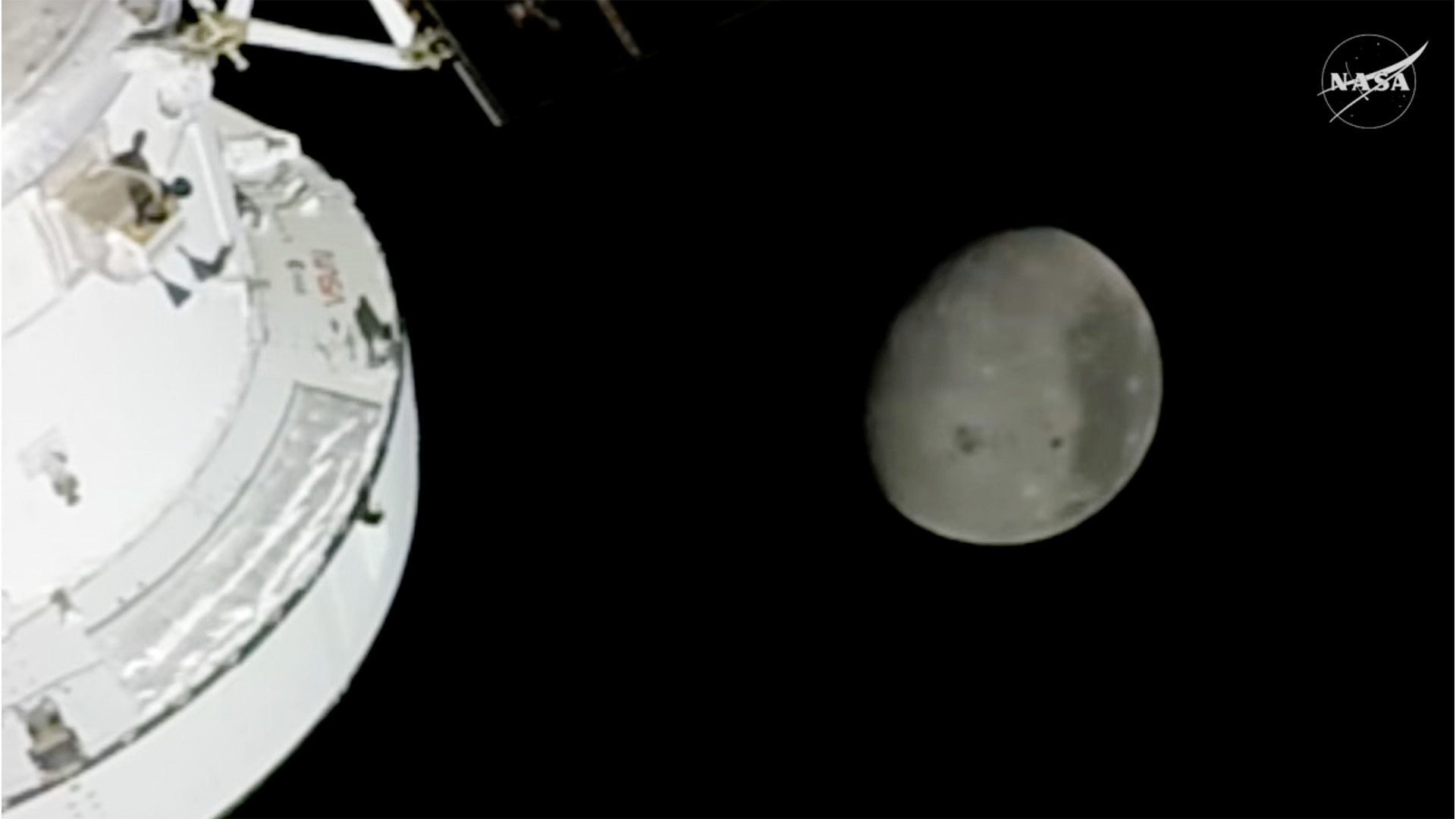
The Orion spacecraft will be flying behind the Moon at that time, so the Sun will be completely blocked from their view.
As they approach that record distance, they will fly around the far side of the Moon, observing it from an altitude of about 6,400 km above its dark surface. This milestone marks the high point of the nearly 10-day Artemis II mission, the first crewed flight of NASA’s Artemis program.
This series of multi-billion-dollar missions aims to return astronauts to the lunar surface by 2028, ahead of China, and then potentially establish a permanent U.S. presence there in the coming decade, building a lunar base that will serve as a testing ground for potential future missions to Mars.
Officially beginning at 2:34 p.m. ET on April 6, the close flyby of the Moon will plunge the crew into darkness and cause a brief loss of communication as the Moon blocks their view of NASA’s Deep Space Network, the agency’s global network of large radio communication antennas used to communicate with the crew.
This close flyby will last about six hours, during which the astronauts will use professional cameras to take detailed photos of the Moon through the windows of the Orion spacecraft, providing a rare and scientifically valuable view of sunlight streaming across its edges.
The crew will also have the opportunity to capture the rare moment when Earth, appearing very small due to its record-breaking distance in space, sets and rises simultaneously with the lunar horizon as they orbit the Moon.