Felixnews.com – A meningitis outbreak B (MenB) in the Canterbury and East Kent regions of England is causing serious concern after spreading rapidly and affecting young people, particularly university students. Local health authorities have reported two deaths and at least 11 other confirmed cases.
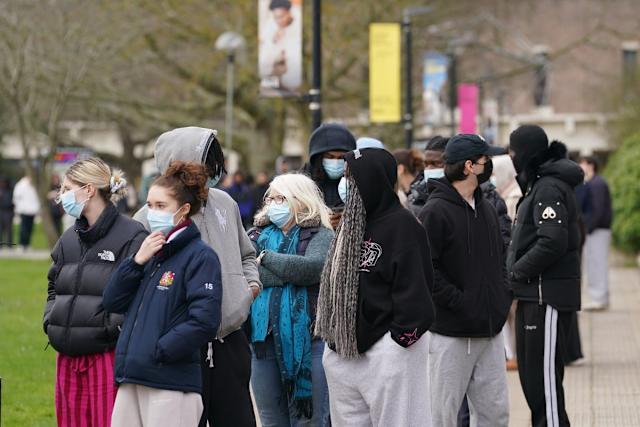
Most cases have been identified among students in Canterbury, Kent. This situation reinforces the suspicion that the campus is a hub for transmission, given the high levels of mobility and social interaction.
What Is Meningitis B and Why Is It Dangerous?
Meningitis B is a bacterial infection caused by Neisseria meningitidis. This bacterium attacks the protective membranes of the brain and spinal cord and can enter the bloodstream, causing sepsis.
This disease is considered dangerous because it can progress very rapidly. Early symptoms are often nonspecific, such as fever, headache, and fatigue, so it is frequently diagnosed too late. In some cases, a patient’s condition can deteriorate within hours and prove fatal if not treated immediately.
Transmission occurs through close contact, such as sharing drinks, kissing, or exposure to coughing and sneezing. Although the bacteria can live in the throat without causing symptoms, the risk of transmission remains high during close interactions.
Canterbury and East Kent Are the Epicenters of the Outbreak
The outbreak is concentrated in the Canterbury and East Kent regions, which are known for their high student activity, including the presence of the University of Kent.
Preliminary investigations have linked a number of cases to social activities at a nightclub called Club Chemistry. The venue serves as a gathering place for many people, potentially accelerating the spread of the bacteria. In addition to college students, several cases have also been reported among high school students, indicating that the outbreak is beginning to spread to the broader community.
Timeline of the Outbreak
The first case was reported on Friday (March 13, 2026). Following that, the number of cases rose rapidly, with several patients experiencing severe symptoms and requiring intensive care in the hospital.
In response to this situation, local health authorities immediately initiated contact tracing for individuals who had interacted with patients. Those at high risk were promptly administered antibiotics as a preventive measure.
So far, more than 700 doses of antibiotics have been distributed, indicating a significant scale of response to curb the spread of the outbreak.
Is the College Environment a Risk Factor?
The high level of social interaction in the college environment is a major factor in the spread of the disease. Shared activities such as living in dormitories, sharing spaces, and gathering in public places increase the risk of transmission.
High-density or crowded places such as nightclubs, cafes, and public spaces are hotspots for the spread of meningococcal bacteria.
Additionally, not all students have received the MenB vaccine. This immunization program was only introduced in the UK in 2015, so it does not cover older age groups.
Response and Control Measures
UK health authorities, through the UK Health Security Agency (UKHSA), have taken a number of rapid measures, including conducting intensive contact tracing, providing preventive antibiotics to at-risk individuals, opening emergency health services, and preparing targeted vaccination programs, particularly for students. These measures aim to protect vulnerable groups while curbing the spread of the outbreak.