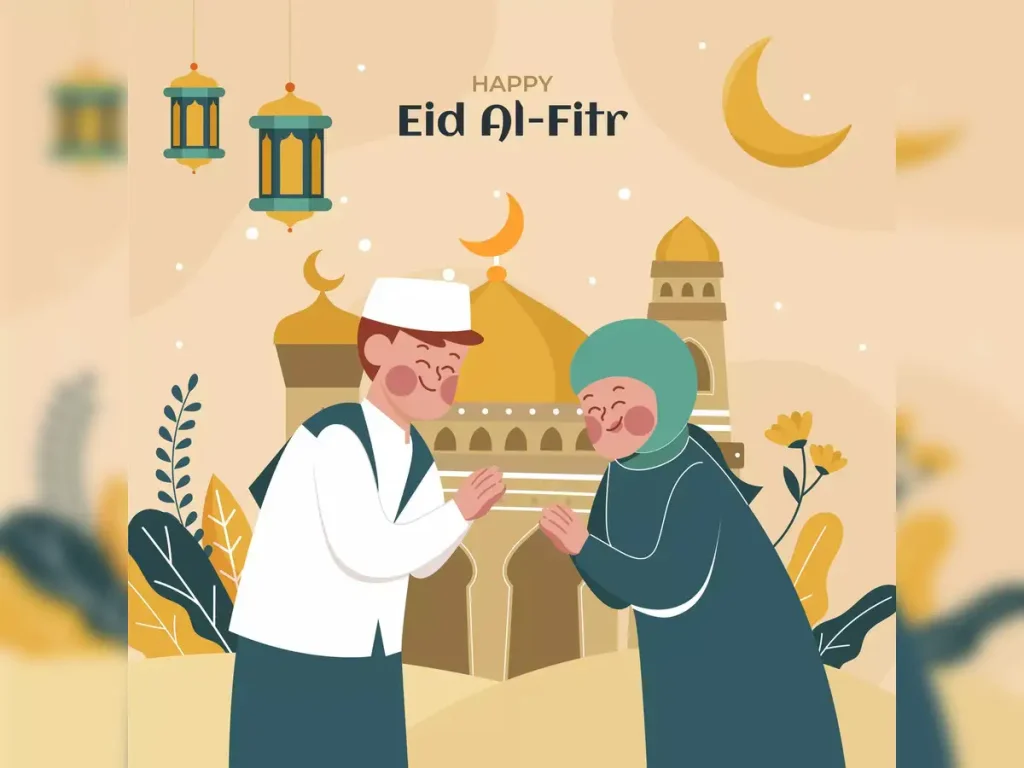
Felixnews.com – Eid al-Fitr is an Islamic holiday. It is a day when Muslims around the world celebrate their victory after completing the fast during the month of Ramadan.
For a full month, Muslims observe the fast, perform obligatory acts of worship, and engage in other recommended acts of worship. This includes striving to control oneself from bad behavior during the month of Ramadan.
After going through all of that for a full month, the 1st of Shawwal becomes the day of victory, or Eid al-Fitr. Let’s explore its meaning and practices below!
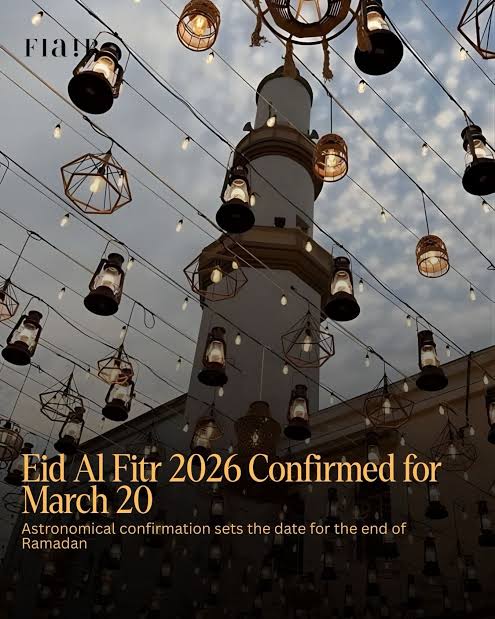
What Is Eid al-Fitr?
However, Eid al-Fitr holds a deeper meaning than simply being a day of victory.
The word Eid al-Fitr comes from Arabic. The word idul in Arabic means holiday or celebration.
The word fitri comes from the Arabic word fithrah, meaning clean, holy, or pure. Thus, literally, Eid al-Fitr is the holy holiday.
Another interpretation of the term is based on the words “Id” and “al-fitri.” Eid al-Fitr comes from two Arabic words: “id” and “al-fitri.” The root of “id” is “ya’uudu,” which means “to return.” Since the celebration of Eid al-Fitr takes place annually, the plural form “id” is used.
Furthermore, the word “al-fitri” means holy or clean. The hope is that on every Eid al-Fitr, all sins will be cleansed by Allah so that Muslims may return to a state of purity.
In other words, the celebration of Eid al-Fitr is not limited to the moment when Muslims have completed their fast. Muslims refrain from eating, drinking, and engaging in behaviors that could invalidate the fast.
Sunnah Practices on Eid al-Fitr
The Sunnah practices performed by the Prophet Muhammad (peace be upon him) during Eid al-Fitr include the following.
1. Recite the Takbir Frequently
In Surah Al-Baqarah, there is a recommendation to recite the takbir at the end of the month of Ramadan. “And complete the prescribed period of Ramadan, and proclaim the takbir to Allah.” (QS. Al-Baqarah: 185)
The Prophet Muhammad (peace be upon him) would recite the takbir starting from the night of the last day of Ramadan until the following day on the 1st of Shawwal, precisely during the takbiratul ihram led by the Imam of the Eid prayer.
There are two types of takbir: takbir muqayyad and takbir mursal. Takbir muqayyad (restricted) is only recited after obligatory (fardlu) and recommended (sunnah) prayers. Meanwhile, takbir mursal (unrestricted) can be recited at any time.
2. Wear Your Best Clothes and Adorn Yourself
Eid al-Fitr is traditionally associated with wearing new clothes. Therefore, during Ramadan, many Muslims shop for new clothes to wear on Eid al-Fitr.
However, do not misunderstand that the recommendation is to wear your best clothes and adorn yourself. Indirectly, it is actually permissible to wear clothes you already have, as long as they are still in good condition and suitable for wearing on this day of celebration.
Specifically for Muslim women, the recommendation to adorn oneself must still adhere to the Islamic guidelines for women’s adornment. An important note is to avoid adornments that may arouse desire or attract non-mahram men.
3. Pay Zakat al-Fitr
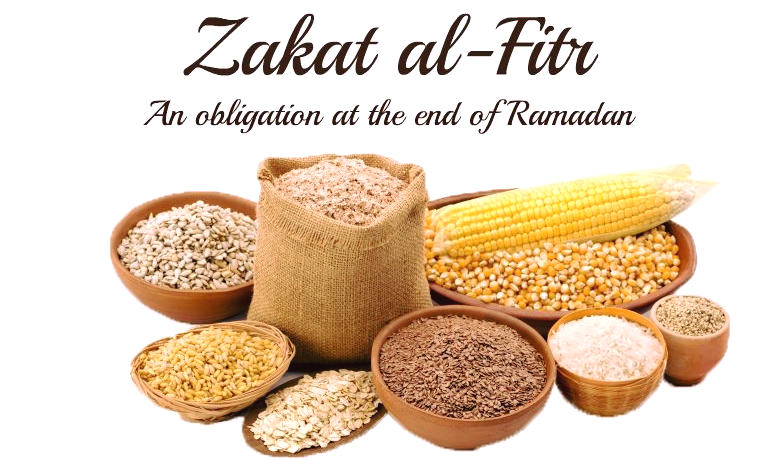
It is recommended to pay Zakat al-Fitr as soon as possible. You may do so starting on the 1st of Ramadan. However, there are certain merits to paying it at the very end of the designated period.
The Eid al-Fitr prayer concludes when the sun is at the height of a spear, or about two meters. This is intended to extend the timeframe for paying Zakat al-Fitr.
However, the primary time to pay Zakat al-Fitr is at sunset on the last day of Ramadan or on the night of the Takbir. The final deadline is at sunrise on the 1st of Shawwal or before the Eid al-Fitr prayer begins.
4. The Recommendation to Eat Before Eid al-Fitr Prayer
According to a narration, the Prophet Muhammad (peace be upon him) would eat dates before heading to the Eid al-Fitr prayer.
“On the day of Eid al-Fitr, the Prophet Muhammad (peace be upon him) would not leave for the prayer site before eating an odd number of dates.” (Narrated by Ahmad and Bukhari)
5. Different Routes to and from the Mosque
Another recommended Sunnah practice is taking a different route to the mosque for Eid al-Fitr prayer and a different route on the way back. This was done by the Prophet, along with his family and companions.
6. The Tradition of Visiting Relatives and Friends
It turns out that the tradition of visiting relatives and friends was already practiced during the time of the Prophet Muhammad (peace be upon him). The Prophet would always visit the homes of his family and companions during the Eid al-Fitr celebration.
The Prophet, his companions, and his family would pray for each other’s well-being. This tradition continues to be upheld to this day and will continue into the future.
7. The Tradition of Exchanging Greetings
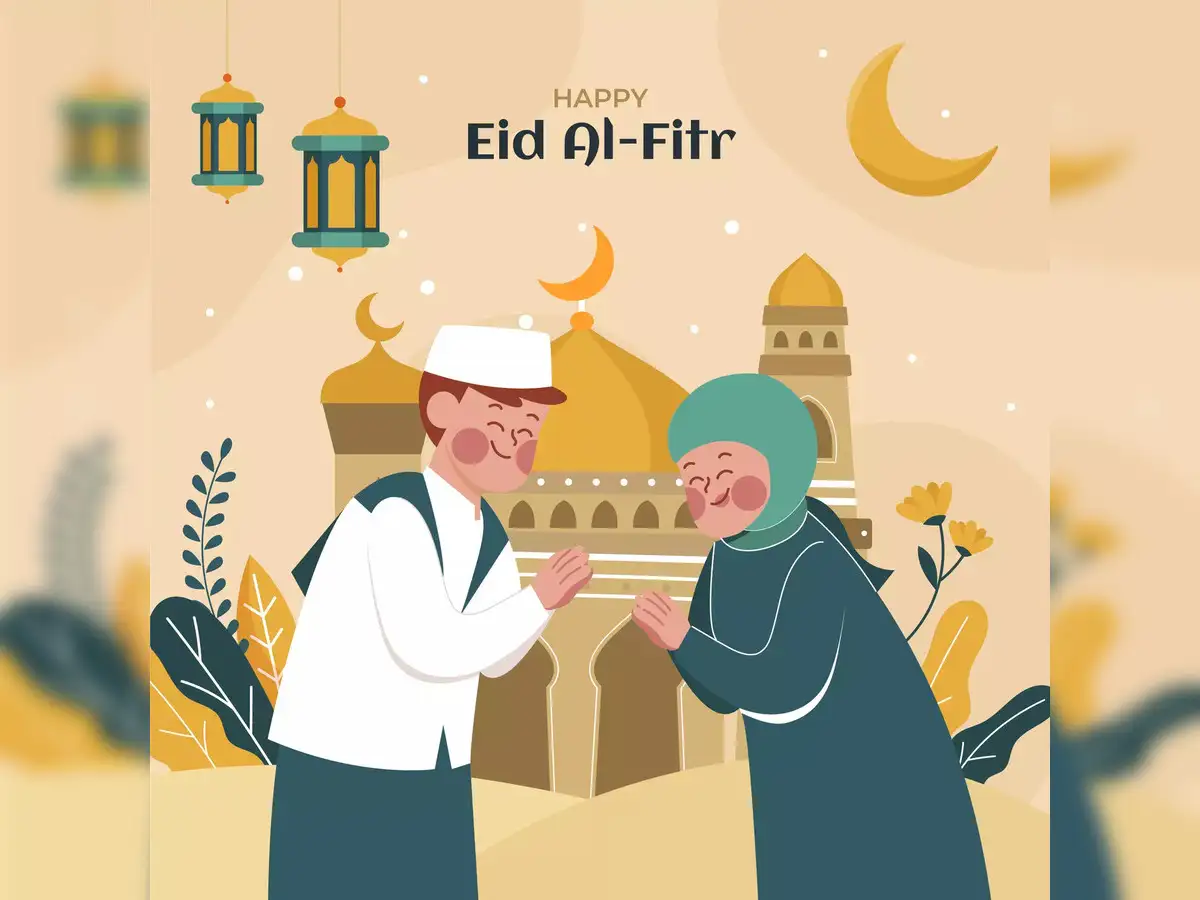
One of the recommended acts of kindness on Eid al-Fitr is exchanging greetings or tahniah. Fellow Muslims extend their congratulations and express their gratitude for having successfully reached this holy festival.
The rationale behind the tradition of exchanging greetings and expressing gratitude is documented in various religious texts and hadiths. One such account is recorded by Imam al-Baihaqi in his book al-Sunnah. He compiled several hadiths and statements from the Prophet’s companions regarding the holy festival.
That is the meaning of Eid al-Fitr: a day of victory or a holy festival celebrated annually.
Through the series of acts of worship during the month of Ramadan and Eid al-Fitr, you should harbor the hope that the quality of your worship this year is better than in the previous year.
Throughout the month of Ramadan, you were trained to perform all acts of worship—both obligatory (fard) and recommended (sunnah)—for a full month. Therefore, this fosters the development of good habits in worship.
This includes the practice of giving zakat. It does not mean that just because Ramadan has passed, the habit of giving charity and sharing should fade away.